Introduction
Vaping has become a prominent phenomenon in today’s world, quickly evolving from a niche alternative to smoking into a massive global industry. Initially introduced as a safer substitute for traditional cigarettes, vaping has since morphed into a cultural trend, particularly among younger generations. Despite its growing popularity Dab Pen , the vaping industry faces a mix of praise and criticism, with ongoing debates about its health implications, regulatory status, and role in society.
A brief history of Vaping
The concept of vaping can be traced back to the 1960s, but it wasn’t until 2003 that the modern e-cigarette, as we know it, was created by Chinese pharmacist Hon Lik. He developed the device after losing his father to lung cancer, seeking a way to reduce the harmful effects of smoking. His invention, which uses a heating element to vaporize liquid containing nicotine and flavoring, laid the foundation for the vaping revolution.
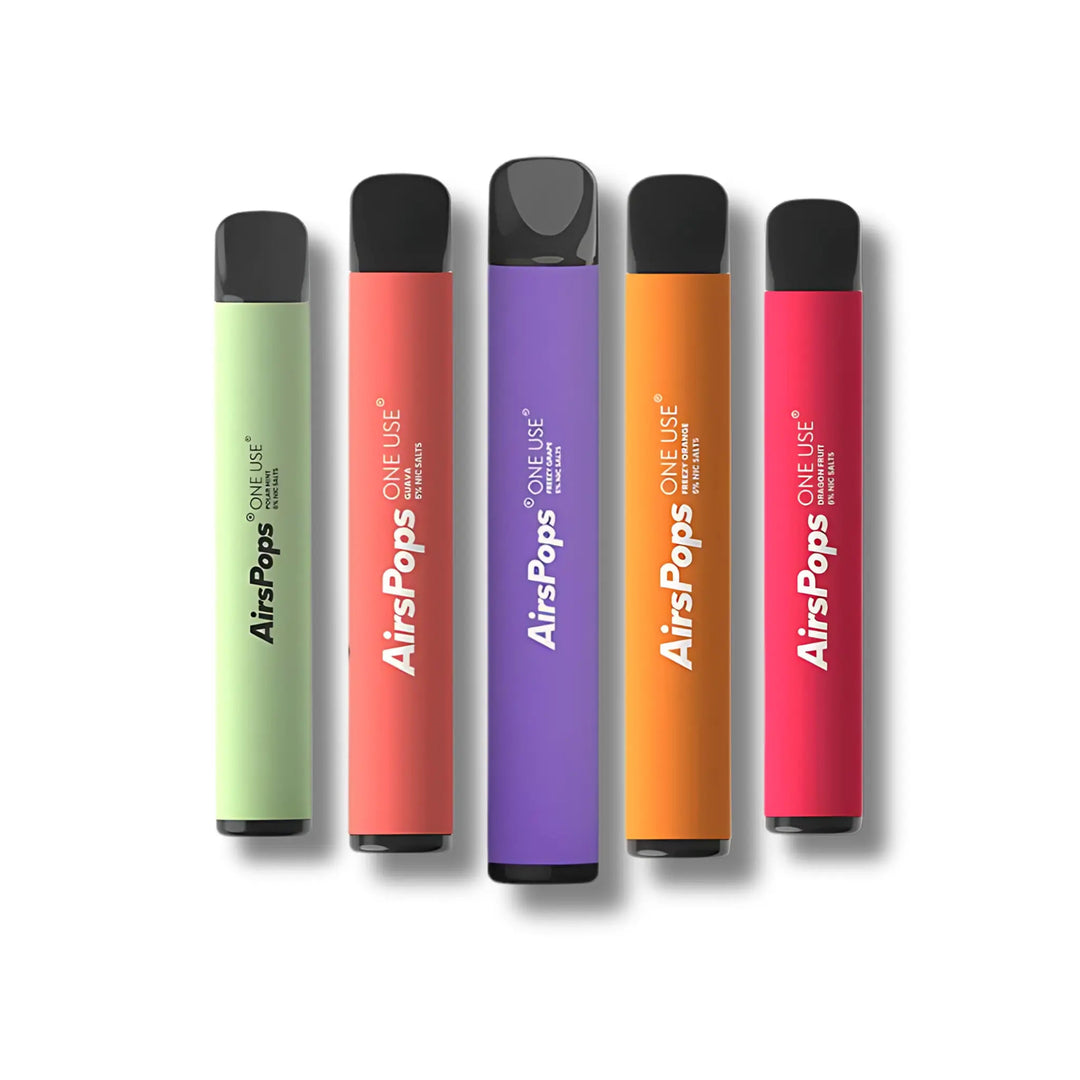
Since then, the technology has advanced dramatically. Early models were bulky, inefficient, and had limited flavors, but today, vaping devices range from sleek, portable pens to customizable mods, offering users a wide range of options. The variety of e-liquids has also expanded, with flavors spanning from traditional tobacco and menthol to more exotic choices like fruit, candy, and even dessert flavors.
The Appeal of Vaping
Several factors have contributed to the rapid growth of vaping. One of the primary reasons is its positioning as a “healthier” alternative to smoking. Traditional cigarettes produce tar and thousands of harmful chemicals when burned, whereas e-cigarettes vaporize liquid without combustion, reducing exposure to carcinogens. While the long-term effects of vaping are still being studied, many users perceive it as a less harmful option compared to smoking.
Another aspect of its appeal is the customization it offers. Vapers can choose the nicotine level in their e-liquids, gradually reducing their intake if they wish to quit nicotine entirely. Additionally, the sheer variety of flavors attracts many who find traditional cigarettes unappealing. Vaping also lacks the strong odor of cigarette smoke, which is a significant draw for people looking to avoid the lingering smell on clothes and surroundings.
Moreover, vaping has carved out a niche in social and youth culture. Vape pens and mods are often seen as trendy accessories, and vape clouds have even become a sort of art form for some users, leading to the rise of vape trick competitions and social media communities dedicated to the craft.
The health Debate: Is Vaping Safer?
Though vaping has been marketed as a safer alternative to smoking, the long-term health implications are still unclear. Several studies indicate that while vaping is less harmful than smoking traditional cigarettes, it is not without risks. For instance, many e-liquids contain nicotine, which is highly addictive and can harm brain development in adolescents and young adults. There are also concerns about other chemicals found in vape products, such as diacetyl, which is linked to lung disease.
Additionally, vaping has been associated with a series of lung injuries, leading to the term “vaping-associated lung injury” (VALI) or “e-cigarette or vaping product use-associated lung injury” (EVALI). In 2019, a wave of these cases, some fatal, was reported, primarily due to the use of illicit, unregulated vape products containing THC.
As a result of these concerns, several public health organizations, including the World Health Organization (WHO) and the Centers for Disease Control and Prevention (CDC), have called for tighter regulations on the production, sale, and marketing of vaping products, particularly to prevent underage use.
Youth Vaping Epidemic
One of the most concerning trends in the vaping industry is the rising popularity of e-cigarettes among teenagers. In the U. S., the National Youth Tobacco Survey revealed that millions of middle and high school students use vaping products, with many becoming regular users. A significant factor driving this trend is the appeal of flavored e-liquids, which are perceived as more fun and less harmful than traditional cigarettes.
Regulatory bodies have taken steps to combat youth vaping. In 2020, the U. S. Food and Drug Administration (FDA) banned the sale of most flavored cartridge-based e-cigarettes, though it left disposable vape products largely untouched. Many critics argue that more needs to be done, citing the addictive nature of nicotine and the potential for lifelong dependence among young users.
The future of Vaping: Regulation and Innovation
The vaping industry is at a crossroads. On one hand, technological advancements continue to refine vaping devices, making them more efficient and user-friendly. Manufacturers are also exploring new ways to deliver nicotine, including nicotine salts and synthetic nicotine, which provide a smoother experience and may further reduce harm.
On the other hand, the future of vaping is uncertain due to the ever-changing regulatory landscape. In countries like Australia and Brazil, vaping is heavily restricted or banned. In the U. S., the FDA has implemented stricter regulations, and the european union has set limits on the strength of nicotine liquids. As public health research evolves, additional regulations are likely, particularly as governments attempt to curb youth vaping and minimize the health risks associated with the habit.
Conclusion
Vaping has undoubtedly reshaped modern culture and the nicotine industry, offering a potentially less harmful alternative to smoking. However, it remains controversial due to its unknown long-term health effects and its increasing appeal to younger generations. As the debate continues, both public health officials and industry leaders face the challenge of finding a balance between innovation, harm reduction, and consumer protection.
The future of vaping will likely be shaped by ongoing research, tighter regulations, and consumer trends, making it a critical subject in public health and lifestyle discussions for years to come.