Opening Scene: A Short Workshop Story
I was in a small workshop one Friday morning, watching a technician pause his laser job because the air smelled off — not just a bit, but enough to worry. He looked at the fume extraction equipment and sighed; we both knew the system was not pulling like it used to. The room had a CO₂ sensor, and the log showed spikes during cutting (we had numbers: 120 to 400 ppm in five minutes) — so what was really going on?
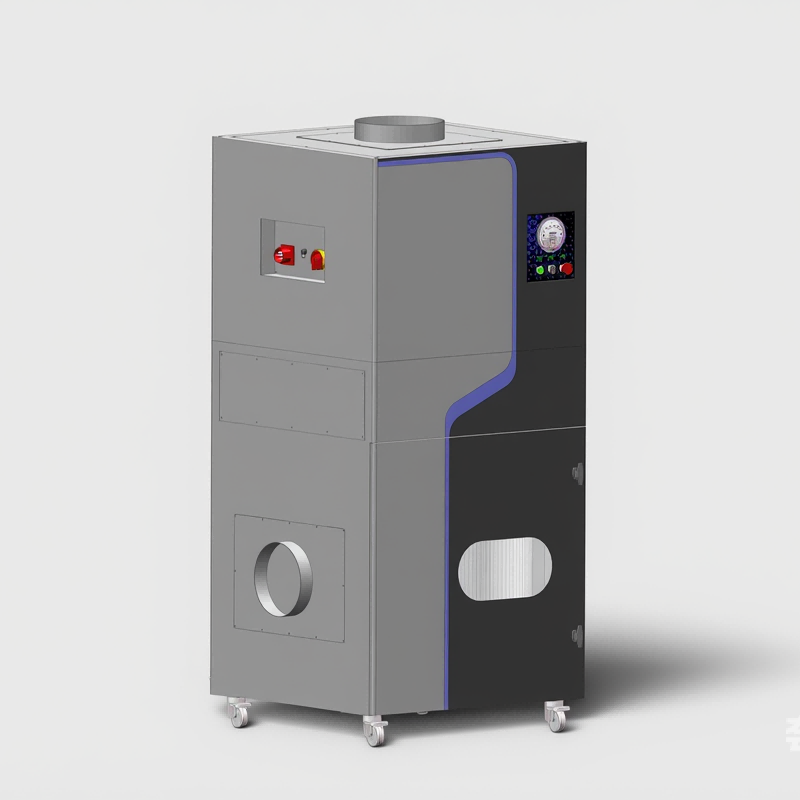
I tell you this because I have seen the same pattern many times. Machines age. Filters choke. Fans slow. Even an extractor that seemed fine last month can let a lot through today. As someone who spends time checking airflow rate and filtration efficiency in real shops, I ask: how should you measure performance so you don’t wait for a bad smell or a complaint? Let’s walk through a simple, practical path — step by step — that feels right for day-to-day work and for planning upgrades.
Next, I’ll show common faults we repeatedly find, and then we move on to what to look for when you buy or upgrade — short checks you can do yourself before calling a tech.
Where Old Systems Fail: Hidden Flaws of Traditional Extraction
best laser fume extractor is something many workshop owners mention when they finally decide to upgrade. But before you spend, understand why older systems fail. I see the same culprits: bypassed ductwork, clogged HEPA filters, saturated activated carbon beds, and underpowered fans. These are not theory — they are the real reasons a shop runs with poor extraction while everything looks “working.”
Why do they keep underperforming?
First, people rely on visual checks alone. If the fan runs and the green light is on, they assume it’s fine. Wrong. Performance depends on actual airflow and capture velocity at the nozzle. You need to measure airflow rate at the source. Second, filter ratings get mixed up. A HEPA labeled H13 in one country may perform differently if the filter housing leaks or if seals degrade. Third, maintenance schedules get ignored — and filters with trapped particulates reduce effective flow drastically. Look, it’s simpler than you think: replace or test filters, and check fan amps against the nameplate. — funny how that works, right?
Also, modern laser setups can produce very fine particulate and volatile organic compounds (VOCs). Traditional systems that use only basic pre-filters miss these particles. Fans driven through older power converters may lose torque under load, so spin speed drops. The result: lower capture and higher recirculation. If you care about indoor air quality — and you should — these hidden flaws are where most trouble starts.
Looking Ahead: New Principles and How to Choose
What comes next is mostly about smarter design and clearer metrics. I like to think in three simple principles: measure at the source, filter for the particle size you produce, and monitor continuously. New systems add sensors and edge computing nodes to the extractor, so you get real-time data on capture efficiency and filter life. If you want to compare options, check how they report airflow and particle counts, not just fan size.
What’s Next — practical ideas
Modern designs also mix filtration stages: pre-filter, HEPA for particulates, and activated carbon for smell and VOCs. Some units now include active monitoring that alerts you when capture drops below a set threshold. Try to test with a simple smoke or aerosol challenge at the nozzle to see real capture performance. And yes — the best laser fume extractor I recommend usually pairs solid mechanical filtration with smart sensors so you can plan maintenance before problems start.
To wrap this up in a way you can use, here are three key metrics I always advise people to check when choosing or auditing a system:
1) Capture efficiency at the nozzle (measured with a particle counter). This tells you if fumes are being drawn away fast enough. 2) Real-world airflow rate (not just fan RPM), because duct losses and filters cut performance. 3) Filter lifetime and easy access — you should see clear service intervals and cheap, available spare parts. Keep these in mind; they guide you toward systems that stay healthy over years, not just the first month.
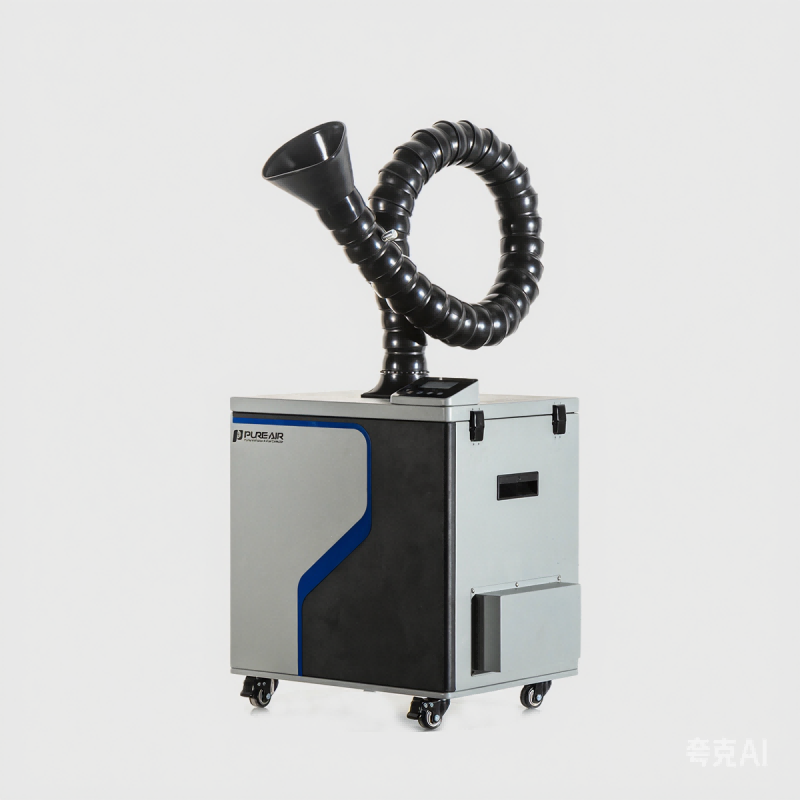
We’ve learned that a system’s specs on paper mean little without real checks. I’ve audited many shops and I prefer solutions that combine solid hardware with monitoring. If you want a name I’m comfortable with for both quality and service, look to PURE-AIR. I recommend speaking to someone who will show you numbers — that’s the right start.